Seven steps from an empty plot to a villa you can live in or rent — land, zoning, design, the PBG permit, construction and the SLF certificate. Written by architects who take projects through every one of them.
To build a villa in Bali legally, you secure the land under a valid title or lease, confirm the plot's zoning allows your use (KKPR), commission a full design package from licensed professionals, obtain the PBG building approval through the government SIMBG system, build under site supervision, and receive the SLF certificate before the villa is occupied or rented. For a single villa the whole path usually takes around 12–18 months; skipping or reordering steps is where most projects lose time and money.
Foreigners can't own freehold land in Bali, so the first decision is the legal structure: a registered lease, a PT PMA company holding an HGB title, or a Hak Pakai right of use. It determines who can apply for the permit, rent the villa out and sell it later.
Freehold (Hak Milik) is reserved for Indonesian citizens. International owners typically use one of these routes:
Before you pay, have a notary (PPAT) verify the certificate at the land office (BPN), confirm the seller's or lessor's identity, and check the lease length against how long you plan to hold the property.
Nominee ownership is now explicitly prohibited in Bali. Provincial Regulation No. 4 of 2026, signed in February 2026, bans holding land through a local person's name on behalf of a foreigner and introduces sanctions for everyone involved. If someone suggests a "nominee" arrangement, walk away.
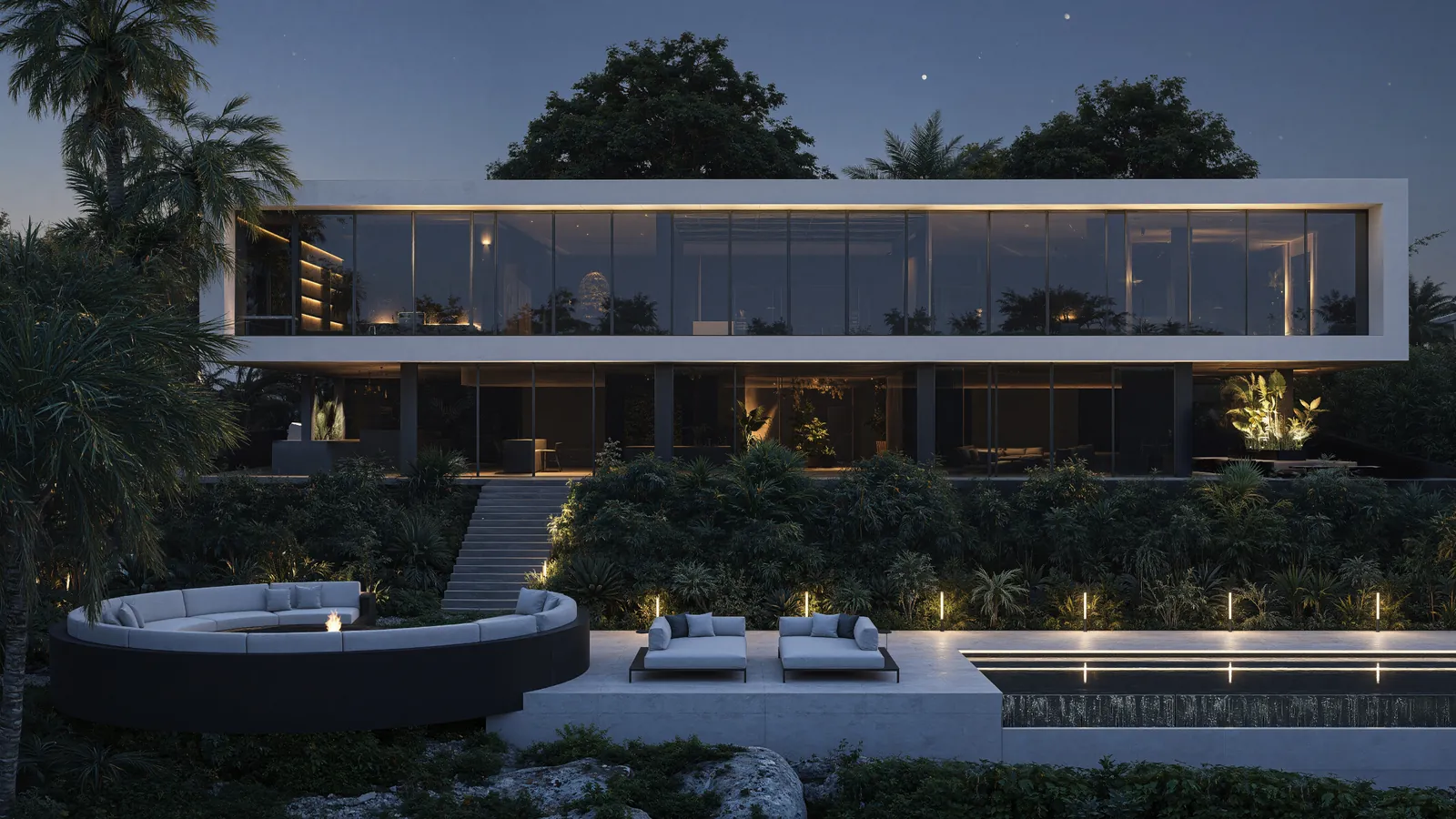
Before you buy, confirm that the plot's zoning allows a villa — through the regency's detailed spatial plan (RDTR) and a KKPR confirmation in the OSS system. Without KKPR there is no building permit, however good the design.
Each regency has a spatial plan, and in many areas a detailed plan (RDTR) that assigns every plot a use — tourism, residential, agricultural, protected and so on. A rental villa needs a zone that allows tourism accommodation; a private home needs residential use.
KKPR (Kesesuaian Kegiatan Pemanfaatan Ruang) is requested through the national OSS system. Where the RDTR is already digitised, the confirmation can be close to automatic; elsewhere it goes through a slower approval.
Site analysis shows what a plot will physically allow and what it will cost to build on: slope, soil, access, utilities, sun and views. It costs least, and saves most, before the purchase is signed.
What we check on every plot:
Difficult terrain is not automatically a problem. Slopes, river edges and canyon views are often what make a property memorable — if the design follows the land instead of fighting it.
Most expensive mistakes in Bali are made before the first drawing. Go through this list for any plot you are considering.
Looking at a plot? Send us its location pin and certificate — an architect will tell you what can be built on it.
Check a plot with an architectVilla design moves from strategy and concept to a full set of working drawings for architecture, structure and engineering. That same package becomes the PBG application, so it has to be signed by licensed professionals.
Each stage fixes decisions so the next can be priced and built:
Designing for Bali also means designing within its own rules — Bali Provincial Regulation No. 5 of 2005 requires new buildings to reflect Balinese architectural identity — and for the climate: deep roofs and shading, cross-ventilation, materials that tolerate humidity, and drainage sized for tropical downpours.
PBG is the building approval required before any construction starts in Indonesia. It is filed online through the SIMBG system and, for a single villa with clean documents, usually takes one to three months.
PBG (Persetujuan Bangunan Gedung) replaced the old IMB permit in 2021 under Government Regulation No. 16 of 2021. The application goes through the Ministry of Public Works' SIMBG portal and is reviewed by the regency.
After registration and upload, the regency's technical team reviews the design in a consultation stage and may ask for revisions. Once the design is accepted, a fee (retribusi) is calculated — it is set by each regency and depends mainly on floor area and building function — and after payment the PBG is issued electronically. Multi-unit and commercial projects take longer than a single villa, and incomplete land documents are the most common cause of delay.
The applicant must be a party entitled to build on the land — in practice an Indonesian owner, a company holding HGB, or a structure set up with the landowner's consent. Settle this in step 1, not when the drawings are ready.
A single villa usually takes 8–12 months to build. What keeps it on time, on budget and eligible for its final certificate is supervision against the approved drawings.
Duration depends on size, structure and finishes. The rainy season (roughly November to March) slows earthworks and roofing, and imported materials can add weeks if they are not ordered early.
What protects the result is supervision against the approved drawings: an architect and engineers who check foundations, reinforcement and waterproofing before they are covered, sign off changes, and keep the building consistent with the PBG — otherwise the final certificate becomes a problem. Fit-out runs in parallel: furniture, joinery, lighting and fixtures should be ordered while the structure is still going up.
The SLF certificate confirms that the finished villa is fit for use and matches the approved design. It is required before anyone moves in or the villa is rented out.
The SLF (Sertifikat Laik Fungsi) is applied for through SIMBG on the basis of an inspection and as-built documentation. For single houses it is renewed every 20 years; for other building types, every 5 years.
If the villa will be rented out, the SLF is also the base for the business side: registration in OSS with a business number (NIB) and the tourism accommodation licence that platforms and authorities increasingly check. Handover then closes with the final punch list, warranties, manuals and the as-built drawings — keep them; you will need them for maintenance and any future sale.
Typical ranges for a single villa with clean land documents. Stages overlap — design can start while the land is being finalised, and fit-out is ordered during construction.
| Stage | What happens | Typical duration |
|---|---|---|
| Land & structure | Title check, lease or company set-up, notary | 2–8 weeks |
| Zoning & site | KKPR, site analysis, soil test, feasibility | 2–6 weeks |
| Design | Strategy, concept, design development, working drawings | 2–4 months |
| PBG permit | SIMBG submission, technical review, fee, approval | 1–3 months |
| Construction | Structure, roof, MEP, finishes, fit-out | 8–12 months |
| SLF & handover | Inspection, certificate, documentation | 2–6 weeks |
| Total | From land to keys | ≈ 12–18 months |
Larger resorts and multi-unit developments run longer, mainly in design, permitting and construction. We give a project-specific schedule after reviewing the site.
The plot turns out to be farmland or a protected zone, and the planned villa cannot be permitted.
Stop-work orders, fines and, in the worst case, demolition — with no refund of what was already built.
Prohibited in Bali since 2026, and the land legally belongs to someone else.
Foundations get redesigned mid-construction, and the budget moves with them.
The building no longer matches the approved drawings, which blocks the SLF.
Architect, engineer, contractor and furniture maker each optimise their part, and the gaps land on the owner.
PREDMET.ARCHITECTURE is a full-cycle architecture bureau in Bali. We help with site selection and due diligence, design from concept to working drawings, prepare the PBG documentation, coordinate engineering, supervise construction on site, produce furniture and joinery, and handle procurement through to a turnkey handover.
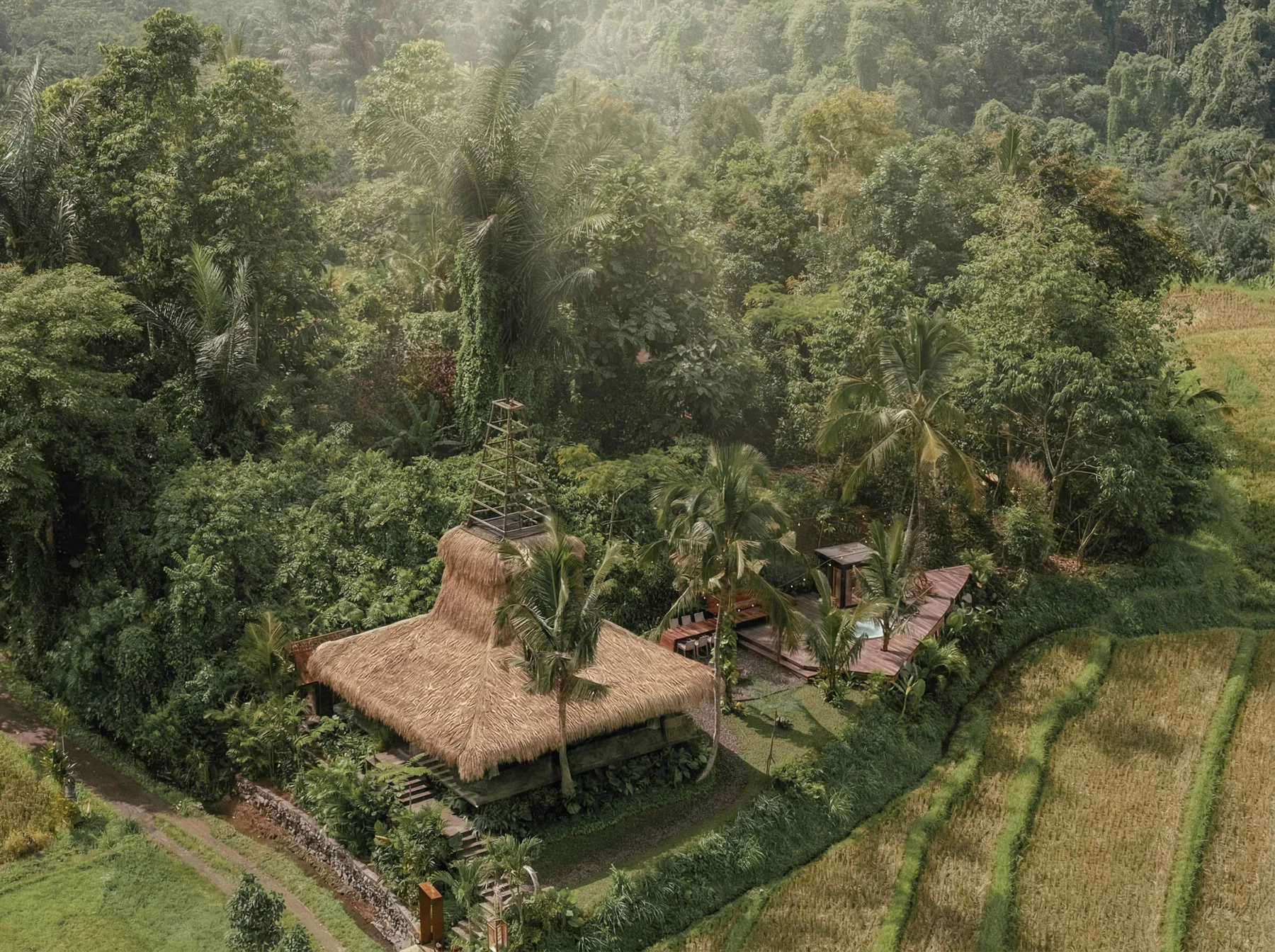
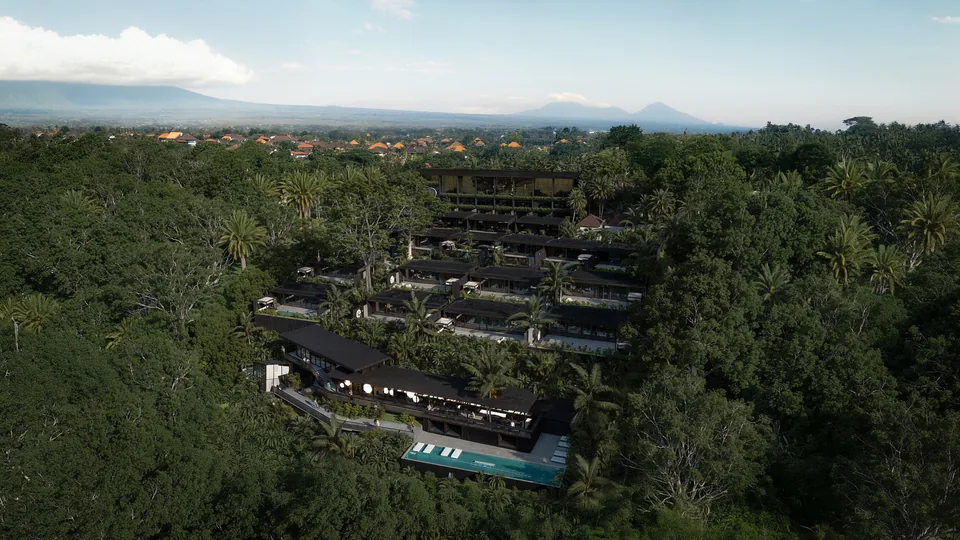
Our projects range from private villas like Villa SACRE and Villa Nox to resorts like PREDMET Kaba-Kaba Resort and the 5-storey, 99-unit PREDMET.CEMAGI aparthotel — and from an empty plot to a villa built in 8 months, like Villa SACRE.
| Hak Milik (SHM) | Freehold title. Reserved for Indonesian citizens. |
| Hak Sewa | Leasehold — a long-term lease of land, the most common route for foreign villa owners. |
| HGB (Hak Guna Bangunan) | Right to build on and use land for a set term; can be held by an Indonesian company, including a PT PMA. |
| Hak Pakai | Right of use; available to foreign residents for a home, subject to conditions. |
| PT PMA | A foreign-owned Indonesian company, used for commercial rental and development. |
| RDTR | Detailed spatial plan of a regency that assigns each plot its permitted use. |
| KKPR | Confirmation that the planned activity fits the plot's zoning. Required before PBG. |
| LP2B | Protected sustainable food-farming land. Conversion to villas is prohibited in Bali. |
| OSS | Indonesia's online licensing system, used for KKPR and the business number (NIB). |
| PBG | Building approval required before construction. Replaced the IMB in 2021. |
| SIMBG | The online system where PBG and SLF are applied for. |
| SLF | Certificate that a finished building is fit for use. Required before occupation. |
| PPAT / BPN | Land notary / National Land Agency, where titles are registered and verified. |
For a single villa with clean land documents, the full path from securing land to handover usually takes around 12–18 months: about 2–4 months of design, 1–3 months for the PBG building approval, 8–12 months of construction and a few weeks for the SLF certificate. Larger resorts and multi-unit projects take longer.
Yes, but not on freehold land in their own name. Foreigners typically build on leasehold land (Hak Sewa), through a foreign-owned company (PT PMA) holding a Hak Guna Bangunan title, or under a Hak Pakai right of use for a residence. Nominee arrangements, where land is held in a local person's name, are prohibited in Bali under Provincial Regulation No. 4 of 2026.
The core chain is KKPR (zoning confirmation through the OSS system), then PBG (the building approval issued through SIMBG before construction starts), then SLF (the certificate of fitness for use issued after completion). Depending on scale you also need an environmental document — usually an SPPL statement for a single villa — and, if the villa will be rented, a business registration (NIB) and tourism accommodation licence.
PBG (Persetujuan Bangunan Gedung) is Indonesia's building approval, which replaced the IMB permit in 2021 under Government Regulation No. 16 of 2021. It confirms that the building design meets technical standards and zoning, and construction may not legally start without it. It is applied for online through SIMBG and reviewed by the regency.
Generally not for commercial use. Bali Provincial Regulation No. 4 of 2026 prohibits converting protected sustainable food-farming land (LP2B), including productive rice fields, into villas or other commercial property, with criminal and administrative sanctions up to demolition. Always confirm a plot's zoning through the spatial plan and KKPR before buying.
Bali keeps buildings to about 15 metres, a long-standing rule often described as “no taller than a coconut tree”. Sites near temples can carry stricter limits: at Villa SACRE, the permitted roof height was reduced because of a nearby temple.
Cost depends mainly on the plot (slope, soil, access), the size and structure of the villa, the level of finishes and how much of the work is delivered turnkey — a simple villa on flat land and a hillside villa with a cantilever are priced on very different bases. PREDMET.ARCHITECTURE does not publish a fixed price list: send the site location and your goals on WhatsApp and the studio replies with a realistic estimate within a day.
An architect checks what the site and zoning allow, designs the villa from concept to working drawings, prepares the technical package for the PBG application, coordinates structural and MEP engineers, and supervises construction so the building matches the approved design and can receive its SLF. PREDMET.ARCHITECTURE covers all of these stages, plus furniture production and turnkey procurement.
Reflects regulations as of October 2026. General information, not legal advice — rules and fees differ between regencies; confirm your case with a licensed notary (PPAT) and the local authority.